
Fuel Tank Removal for Ageing Transport Depot Infrastructure
26 August 2026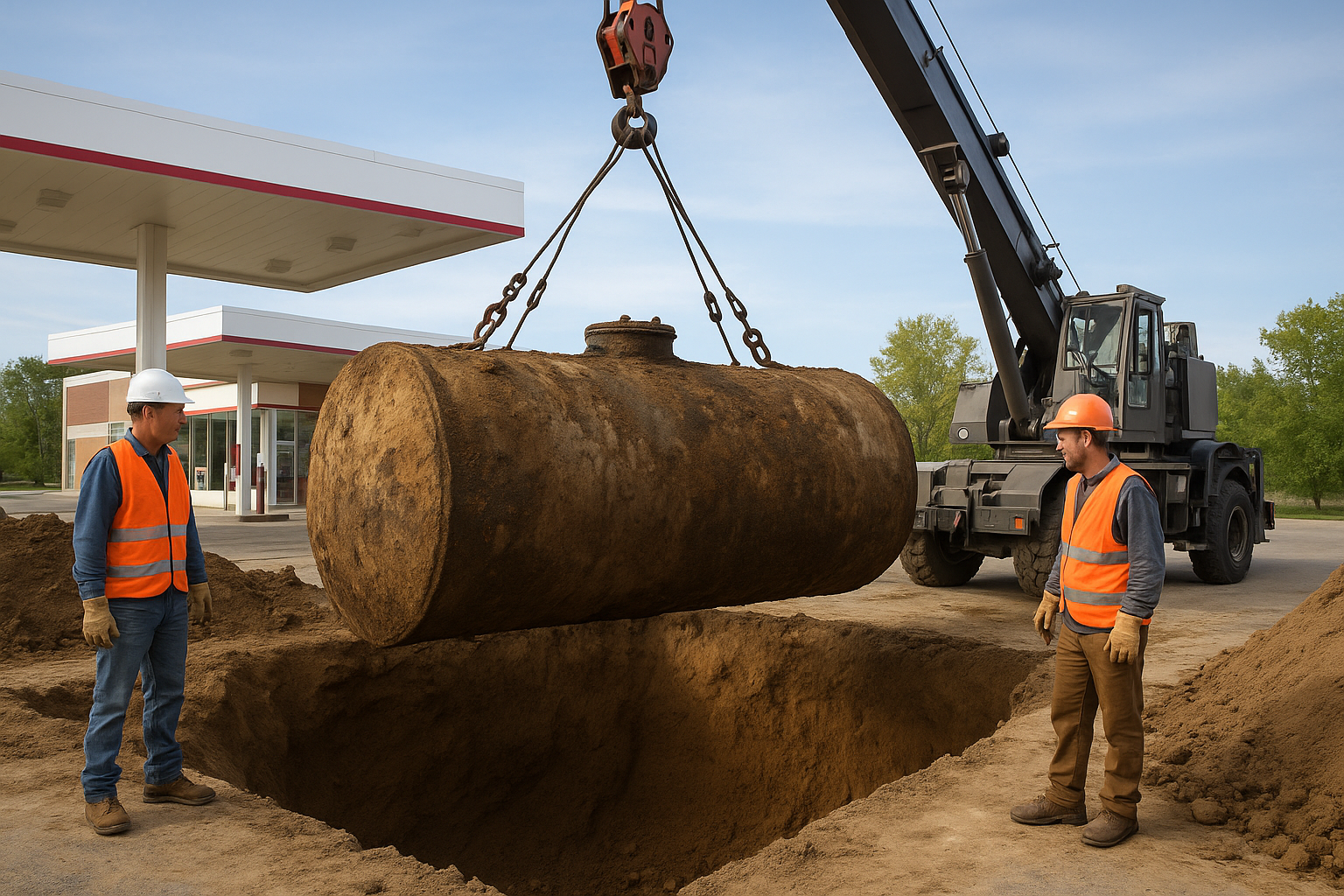
Future Fuel Services delivers fuel tank removal for ageing Melbourne transport depots, helping clear redundant assets and prepare a site for upgrades.
Fuel tank removal gives transport depot operators a controlled path for clearing redundant storage assets before redevelopment or operational upgrades. We plan the work around the tank, surrounding services, site access and the depot’s continuing activities.
When Does Fuel Tank Removal Make Sense for a Transport Depot?
Fuel tank removal is worth assessing when a tank is permanently unused, conflicts with a proposed layout, has reached the end of its intended service, or creates an unnecessary inspection and maintenance burden. Removal is not automatically the right answer for every ageing tank; condition, compliance, future fuel demand and redevelopment plans must be reviewed first.
Our team provides fuel system and remediation services, including tank removal, contaminated soil testing and disposal, hazardous waste management, excavation and civil works. That service mix lets us assess the removal within the broader site program rather than treating the tank as an isolated object.
What Should Be Checked Before Fuel Tank Removal Begins?
A practical pre-removal assessment identifies the physical, operational and environmental constraints that can change scope, timing and cost. The answer is site-specific, but the core checks usually include:
- Tank status and contents: Confirm whether the asset is active, isolated or redundant, and identify residual product or waste requiring controlled handling.
- Access and excavation: Review vehicle movements, buildings, pavements, underground services and the space available for plant and lifting operations.
- Contamination indicators: Consider leak history, monitoring records and evidence that soil or groundwater assessment may be required.
- Future site use: Align the removal sequence, excavation treatment and reinstatement expectations with the planned depot upgrade or property works.
EPA Victoria explains that leaks from underground petroleum storage systems can affect soil, groundwater, surface water and air. Its guidance on underground petroleum storage systems reinforces why tank condition, leak risk and environmental duties must be considered before work proceeds.
How We Coordinate Removal With Depot Operations
Transport sites cannot always stop operating while civil and fuel works occur. We assess access, exclusion requirements, plant movements and dependencies with other contractors before setting the sequence. Early planning helps depot managers understand what must be isolated, which areas may be unavailable and how the work fits the wider construction program.
Where removal forms part of a larger fuel-system change, our experience across design, supply, installation, commissioning and maintenance supports better coordination. Clients comparing removal with wider decommissioning needs can also review our article on fuel tank decommissioning. We do not force a standard scope onto every depot; we determine what the site and intended outcome actually require.
Plan Fuel Tank Removal Before It Delays Your Upgrade
Leaving a redundant tank unresolved until construction starts can expose avoidable access conflicts, scope changes and scheduling pressure. Early fuel tank removal planning gives your project team time to confirm site conditions, coordinate environmental requirements and define the work before mobilisation.
If an ageing tank is restricting your Melbourne depot plans, contact Future Fuel Services for a site assessment and practical quote. We will review the asset, access and proposed site use so you can decide the next step without committing to an unsuitable scope.
Optimized by: Netwizard SEO