
Fuel Pipework Installation for Marinas: Secondary Containment Systems for Spill Prevention
23 July 2026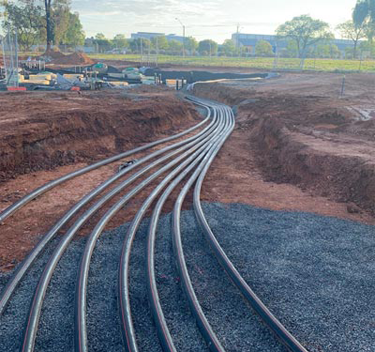
Fuel Pipework Installation for Marinas needs contained, maintainable infrastructure—discuss a site-specific fuel-system upgrade.
A well-scoped installation protects marina operations by addressing leak pathways, maintenance access and commissioning requirements before construction begins.
What does marina fuel pipework installation involve?
It is the design, supply, installation and commissioning of pipework that transfers fuel between storage, pumping and dispensing equipment at a marina. The layout must suit the fuel, transfer rate, waterfront environment, operating procedures and applicable approvals. Secondary containment provides an additional control where a leak from the primary system could otherwise migrate.
The EPA Victoria liquid-storage guidance covers primary containment, secondary containment, spill prevention, maintenance and incident response. It does not prescribe one universal marina design; the controls must respond to the risks and legal duties applying to the site.
Secondary Containment Priorities for Marina Fuel Systems
A marina review should trace the complete potential leak path, not only the visible dispenser. Particular attention may be required at:
- tank and pipework connections;
- changes in pipe direction or material;
- valves, pumping equipment and access chambers;
- dispensing and transfer points exposed to frequent handling; and
- locations where a spill could reach soil, stormwater or surface water.
The final equipment selection may include contained pipework, sumps, chambers, isolation controls or monitoring provisions where appropriate. These are design options, not guaranteed inclusions. Their suitability depends on site assessment, system compatibility and the project specification. Fuel Pipework Design for Safer Marina Operations
A practical design supports reliable transfer while giving technicians safe, logical access for inspection and maintenance. Poorly accessible connections can delay fault finding. Unprotected equipment may be exposed to vehicle movement, weather or repeated handling. Inadequate isolation can increase the area affected when maintenance is required.
Before work begins, document the fuel type, storage arrangement, existing pipe route, dispensing demand, operating hours and shutdown constraints. Confirm who is responsible for planning approvals, environmental controls, electrical interfaces and commissioning records.
Future Fuel Services provides complete fuel-system design and installation for marinas, fuel depots, retail sites, mining, transport and generator systems across Australia. Its work covers design, supply, installation, commissioning and maintenance rather than a pipe-only scope.
When Marina Fuel Pipework Needs an Upgrade
Arrange a review when recurring alarms, visible deterioration, unexplained stock loss or maintenance findings indicate a possible problem. A review is also sensible before increasing dispensing capacity, replacing storage, changing fuel type or redesigning the waterfront operating area.
Do not use a new containment component to conceal deteriorated infrastructure. The existing system, interfaces and access conditions should be assessed together so the upgrade addresses the actual leak and maintenance risks.
The project brief should also define commissioning evidence and handover information. Relevant items may include pressure or integrity-test records, equipment data, marked-up layouts, operating instructions and scheduled maintenance requirements. Confirm the required documentation before quotation because retroactively producing missing records can delay handover. Marina operators should also establish who will respond to alarms or spills and how affected equipment will be isolated without creating an unsafe improvised procedure.
Planning new infrastructure or replacing ageing fuel lines? Contact Future Fuel Services with the marina location, current system details and proposed operating demand. A defined project brief helps the team discuss a suitable design, installation, commissioning and maintenance scope without promising equipment the site may not require.
Optimized by: Netwizard SEO