The Fuel System Commissioning Checklist: Avoiding Costly Delays in Commercial Projects
09 April 2026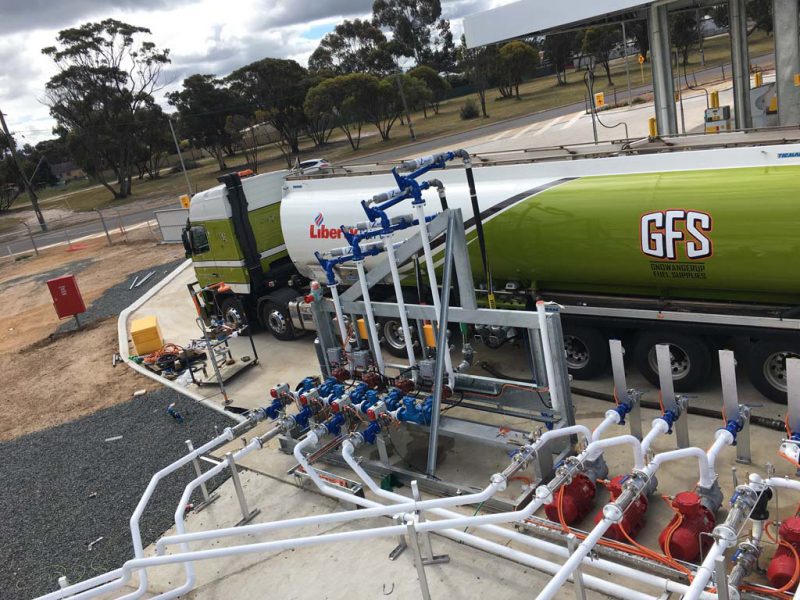
Eliminate installation risks with a fuel system commissioning checklist in Australia. Future Fuel Services delivers professional testing for fuel assets.
Successful commercial projects depend on the seamless integration of energy infrastructure to prevent operational downtime. Implementing a comprehensive fuel system commissioning checklist ensures that every component meets rigorous performance standards before the site goes live.
Mitigating Risks Through Rigorous Verification
Technical accuracy during the initial setup phase prevents small mechanical discrepancies from escalating into systemic failures. Expert oversight facilitates a smooth transition from the installation phase to active service without compromising safety or efficiency. Detailed inspections verify that all containment and delivery systems function according to the original engineering specifications.
Adhering to a fuel system commissioning checklist facilitates a structured approach to identifying air leaks, electrical faults, or calibration errors. These proactive measures safeguard the longevity of the equipment and ensure the facility remains within its intended environmental parameters. Accurate documentation during this process serves as a benchmark for all future maintenance and performance audits.
Essential Components of the Fuel System Commissioning Checklist
Finalising a high-capacity fuel installation requires a methodical review of all safety and functional interfaces to ensure total site readiness. We prioritise a systematic breakdown of physical and electronic components to eliminate the risk of environmental contamination or mechanical breakdown.
The following steps outline the critical actions required to validate a commercial fuel system:
- Integrity Pressure Testing: Conduct hydrostatic or pneumatic tests on all pipework to confirm there are no leaks in the primary or secondary containment layers.
- Leak Detection Calibration: Verify that electronic sensors and interstitial monitoring systems provide accurate real-time alerts for potential fluid escape.
- Control Logic Verification: Test the automated emergency shut-off valves and pump controllers to ensure the system responds correctly to varied load demands.
- Tank Venting Analysis: Check that breather vents and pressure vacuum valves operate freely to prevent tank deformation during high-speed filling or extraction.
- Fluid Quality Assessment: Sample the fuel at multiple points to ensure no construction debris or moisture has contaminated the storage environment.
Long-Term Reliability and Compliance Standards
Precision during the final handover phase directly impacts the total cost of ownership for commercial fuel assets. Technical experts must scrutinise every valve, flange, and seal to maintain the highest levels of operational readiness.
Compliance with AS 1940:2017 remains a non-negotiable benchmark for our team when certifying industrial refuelling hubs in Australia. At Future Fuel Services, we focus on strict adherence to these safety protocols to ensure your facility stands up to the most rigorous environmental audits.
Thorough testing protocols eliminate the uncertainty often associated with complex mechanical installations. By utilising specialised diagnostic tools to measure flow rates and pressure stability, we guarantee that the fuel system commissioning is completed to the highest professional standard.
Securing Your Commercial Infrastructure
A successful project handover requires proof that the system is safe for long-term use. Professional validation ensures that every component, from the tank to the dispenser, operates in perfect harmony.
Future Fuel Services maintains a commitment to technical excellence, ensuring your fuel system commissioning checklist is executed with precision. We take pride in safeguarding your investment by identifying and resolving minor issues before they impact your commercial operations or bottom line.
Contact us to schedule a comprehensive audit and finalise your project handover.
Related Blog Article: Fuel Facility Preventive Maintenance 2026: Proven Strategies to Minimise Downtime and Hazards
Optimized by: Netwizard SEO